Market Growth and Trends (China Supply Chain Manufacturers)Middle East Electrical Procurement (Appliances China Supply Chain Manufacturers)
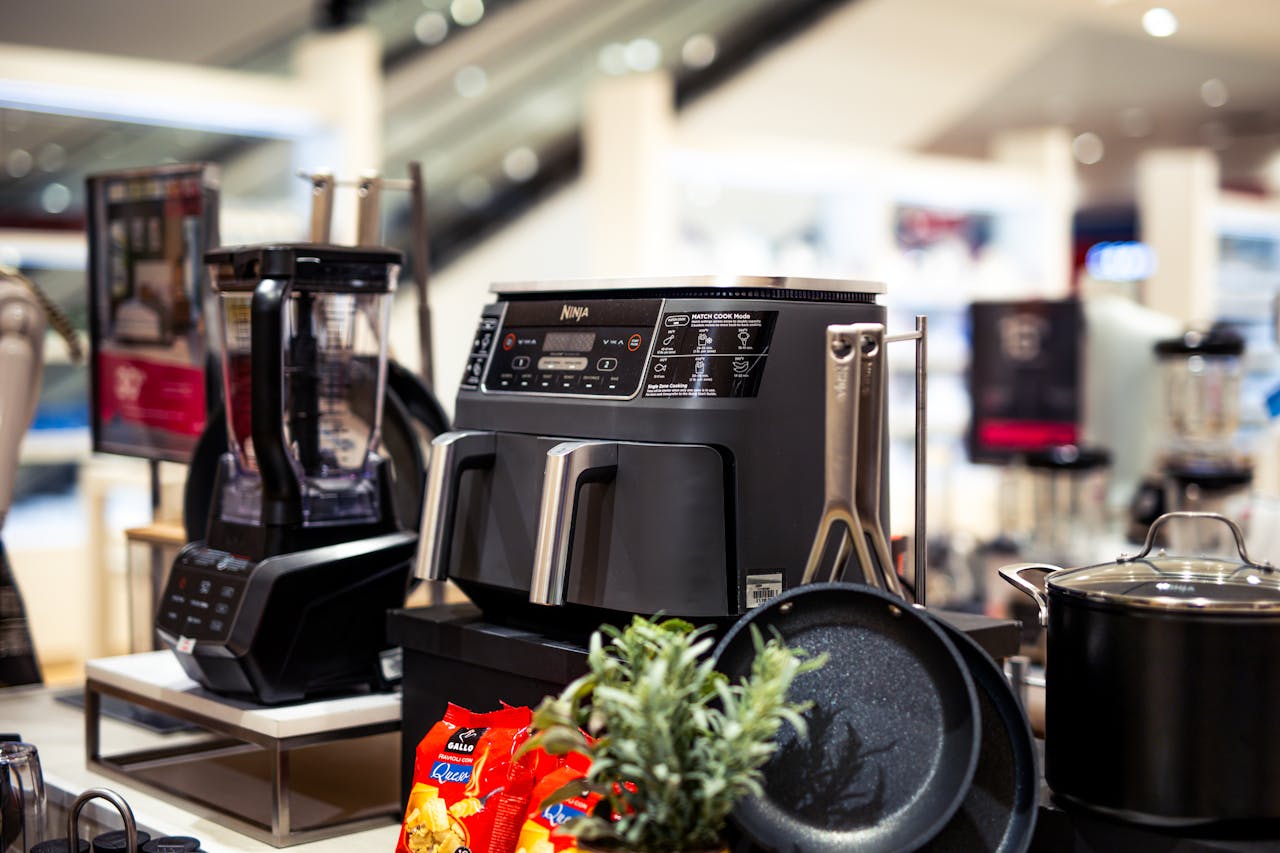
In 2024, the demand for air fryers in the Middle East continues to grow, showing a strong upward trend. Data indicates that the Middle East and Africa market has seen a compound annual growth rate of 82% over the past five years, significantly higher than other regions. This trend suggests that air fryers have substantial growth potential and market opportunities in the Middle East.
Rising Demand for Healthy Cooking
With increasing consumer focus on healthy lifestyles, air fryers, as a low-fat and low-oil cooking method, are gaining popularity among Middle Eastern consumers. AVC (Aowei Yun Network) online monitoring data shows that from January to September 2024, the retail sales of steam air fryers increased by 210.6% year-on-year, indicating the popularity of small home appliances with healthy cooking features in the market.
Trend Towards Intelligent and High-End Products
The air fryer products in the Middle East market are moving towards intelligent and high-end development. Consumers’ concern for food safety and重视 for food contact material safety are reflected in the choice of kitchen small home appliances. Intelligent small home appliances, such as frequency conversion blenders and electric water dispensers with water quantity control, are welcomed in the market for their practical functions. AVC online monitoring data shows that from January to September 2024, the retail sales of frequency conversion blenders increased by 103.4% year-on-year.
Ecoapplitrade’s Products and Services
Ecoapplitrade specializes in the foreign trade of home appliances and kitchen appliances, offering a variety of kitchen small home appliances including air fryers, juicers, juice machines, slow juicers, and various types of coffee machines. We are committed to providing high-quality products and excellent services to meet the needs of consumers worldwide.
Contact Us
Global buyers are welcome to contact Ecoapplitrade, and we will empower your business to explore the global market together and achieve a win-win situation. Our products undergo strict quality control to ensure reliability and durability, and our service team is always ready to provide comprehensive support to our customers.
Contact Information: EcoAppliTrade – Your Sustainable B2B Global Trade Partner Supplying Quality Chinese Appliances
Customer Service Email:eatrade@ecoapplitrade.com
Characteristics of Middle Eastern Electrical Appliance Trade in 2024 and Key Differences with Germany
1. Growing Demand for Smart and Energy-Efficient Products
In 2024, the Middle East’s electrical appliance trade is increasingly driven by a demand for smart home devices and energy-efficient products. Consumers are seeking IoT-enabled appliances, such as smart refrigerators, air conditioners, and washing machines that offer convenience and energy savings. This trend mirrors global preferences, but the Middle East has specific demands due to its hot climate and energy consumption concerns.
2. Preference for Luxury and High-Quality Brands
Consumers in the Middle East place significant value on luxury and high-quality electrical appliances. Products with modern designs and advanced features are particularly popular, driven by the region’s growing middle class and the increasing number of high-net-worth individuals. In contrast, Germany tends to focus more on practical, long-lasting appliances with an emphasis on sustainability and efficiency, often with less emphasis on luxury branding.
3. Climate-Responsive Appliance Demand
Due to the extreme summer heat in many Middle Eastern countries, there is a higher demand for air conditioning units, cooling systems, and other appliances designed to withstand hot, dry climates. Energy-efficient air conditioners and cooling fans are in high demand, especially in Gulf Cooperation Council (GCC) countries. Germany, with a more temperate climate, has a relatively lower demand for cooling solutions, focusing more on heating systems and insulation solutions.
4. E-Commerce Growth and Online Shopping
The Middle East’s electrical appliance market is seeing a significant shift towards e-commerce. More consumers are buying their electrical products online, often through regional e-commerce platforms such as Noon or Souq (now part of Amazon). In Germany, while e-commerce is growing, brick-and-mortar stores still dominate the retail landscape, with consumers often preferring to see and touch products before making a purchase.
5. Regulatory Differences
In 2024, the Middle East is implementing stricter energy efficiency standards for electrical appliances, especially in UAE and Saudi Arabia. However, the standards are not as stringent as those in Germany, where regulations like EU Ecodesign Directive impose strict requirements for appliance energy consumption and recycling. Germany’s emphasis on sustainability is stronger, with consumers prioritizing energy labels and eco-friendly certifications.
6. Price Sensitivity
In the Middle East, price sensitivity plays a major role in purchasing decisions, especially in more price-conscious markets like Egypt and Jordan. However, in Gulf countries like the UAE and Saudi Arabia, luxury and premium products can command a significant price premium. In contrast, Germany is characterized by a strong focus on value for money and long-term cost efficiency, with consumers willing to invest in higher-quality products that offer lower operating costs.
7. Influence of Cultural Preferences
Middle Eastern consumers often prefer large, multifunctional appliances that cater to family-oriented living, such as large refrigerators, dishwashers, and ovens. This is in contrast to Germany, where consumers lean towards compact and space-saving appliances, reflecting the European preference for smaller homes and apartments.
Customer Service Email:eatrade@ecoapplitrade.com